
What is Coronavirus?
Coronavirus is a kind of virus that causes an infection in your nose, sinuses, or upper throat. Most coronaviruses are not dangerous. Some types of them are serious, though. Middle East respiratory syndrome (MERS) and Severe acute respiratory syndrome (SARS ) are important types of coronaviruses. In 2012, about 855 people in Saudi Arabia from MERS and 774 people died from SARS in 2003. Now in Jan 2020, WHO identified a new type in China and named it officially as COVID-19..


Coronavirus - Where is it from?
Coronaviruses were first identified in the 1960s, but we don’t know where they come from. They get their name from their crown-like shape. Sometimes, but not often, a coronavirus can infect both animals and humans. Coronaviruses are common in many different species of animals, including camels and bats. Rarely, these coronaviruses can evolve and infect humans and then spread between humans. Recent examples of this include SARS-CoV and MERS-CoV. Most coronaviruses infect animals, but not people. In the future, one or more of these other coronaviruses could potentially evolve and spread to humans, as has happened in the past. We still don’t understand why only certain coronaviruses are able to infect people.
Coronavirus - Symptoms
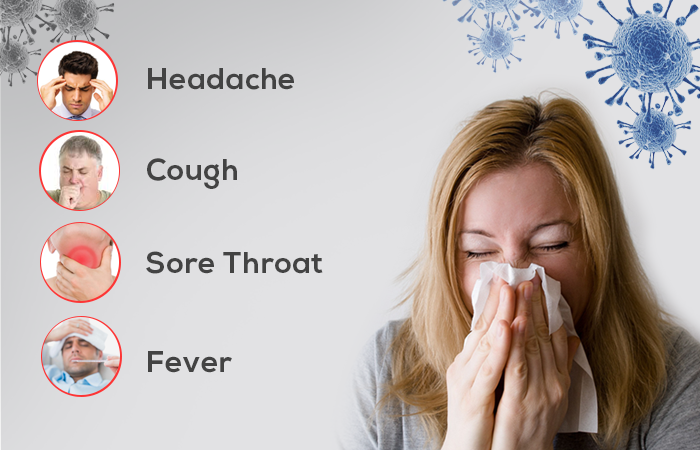
The symptoms of most coronaviruses are similar to any other upper respiratory infection, including running nose, coughing, sore throat, and sometimes a fever. In most cases, you won’t know whether you have a coronavirus or a different cold-causing virus, such as rhinovirus.Common human coronaviruses usually cause mild to moderate upper-respiratory tract illnesses, like the common cold. These illnesses usually only last for a short amount of time. Symptoms may include:
- running nose
- cough
- sore throat
- fever
- a general feeling of being unwell
Coronavirus - Diagnosis
Lab tests, including nose and throat cultures and blood work, are carried out to find out whether your cold was caused by a coronavirus, but there’s no reason to. The test results wouldn’t change how you treat your symptoms, which typically go away in a few days.
But if a coronavirus infection spreads to the lower respiratory tract (windpipe and lungs), it can lead to pneumonia, especially in elderly people, people with heart disease, or people with weakened immune systems.

Coronavirus - What to do?
There is no vaccine for coronavirus. To help prevent a coronavirus infection, we follow the same rule as we do to avoid common cold:
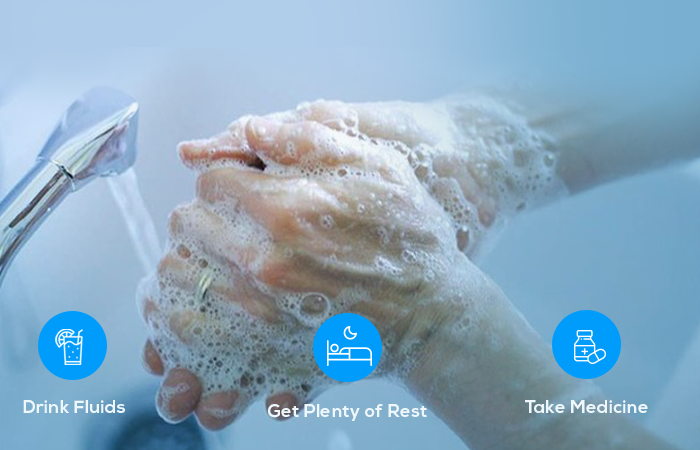
- Clean your hands with soap and warm water or with an alcohol-based hand sanitizer.
- Keep your hands and fingers away from eyes, nose and mouth
- Avoid close contact with people who are infected
You treat a coronavirus infection the same way you treat a cold:
- Get plenty of rest.
- Drink fluids.
- Take over-the-counter medicine for a sore throat and fever. Aspirin is not recommended to children or teens younger than 19; use ibuprofen or acetaminophen instead
- A humidifier or steamy shower can also help ease a sore and scratchy throat.
Coronavirus - Transmission
Human coronaviruses most commonly spread from an infected person to others through:
- the air by coughing and sneezing
- close personal contact, such as touching or shaking hands
- touching an object or surface with the virus on it, then touching your mouth, nose, or eyes before washing your hands
- rarely, fecal contamination
In the United States, people usually get infected with common human coronaviruses in the fall and winter. However, you can get infected at any time of the year. Most people will get infected with one or more of the common human coronaviruses in their lifetime. Young children are most likely to get infected. However, people can have multiple infections in their lifetime

Coronavirus - Prevention
How to protect yourself:
There are currently no vaccines available to protect you against human coronavirus infection. You may be able to reduce your risk of infection by doing the following:
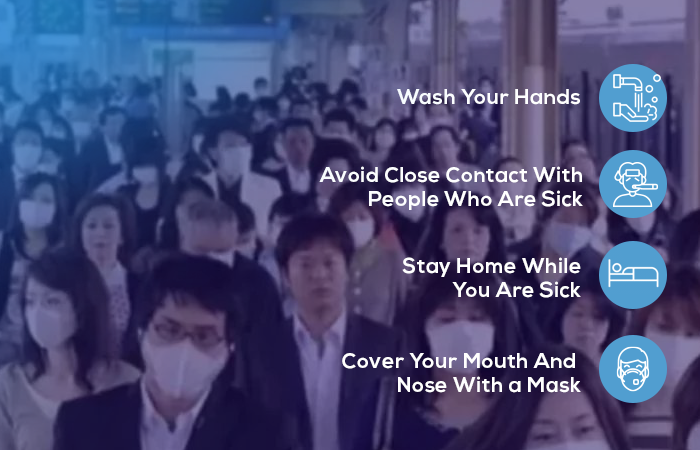
- wash your hands often with soap and water for at least 20 seconds
- avoid touching your eyes, nose, or mouth with unwashed hands
- avoid close contact with people who are sick
How to protect others:
If you have cold-like symptoms, you can help protect others by doing the following:
- stay home while you are sick
- avoid close contact with others
- cover your mouth and nose with a tissue when you cough or sneeze, then throw the tissue in the trash and wash your hands
- clean and disinfect objects and surfaces
Name Change - Latest News
World Health Organization has changed the name of Coronavirus, nCoV-2019 to COVID-19 (February 12, 2020). The official name has been declared to eradicate the controversies relating the disease with Wuhan City or Chinese communities across the world. WHO officials said they had to find a name that did not refer to a geographical location, animal or individual group of people that can be inaccurate or stigmatizing.The Washington Post reports the “novel coronavirus” will be designated “severe acute respiratory syndrome coronavirus 2,” or “SARS-CoV-2.” The disease it actually causes is “COVID-19.”
Myth Busters about COVID-19
1.Can I get Coronavirus from my pets?
Answer: No, as of now, there is no evidence of getting Coronavirus infection from pets. General hand hygiene is good to avoid all types of infections
2.Can eating garlic protect me from Coronavirus?
Answer: No. Garlic has antimicrobial properties. But there is no evidence to prove the garlic are active against Coronavirus
3.Do Coronavirus attack only old people?
Answer: There is no age limit for coronavirus. People with respiratory problems or pre-existing health problems (diabetes, heart ailments) are more prone to the infection.
Immunity plays a vital role and people with low levels of immunity are highly affected by coronavirus
4.Are antibiotics effective in preventing/curing Coronavirus?
Answer: To date, there are no antibiotics available for preventing and treating Coronavirus. The new COVID-19 is a virus and, therefore, antibiotics should not be used as a means of prevention or treatment